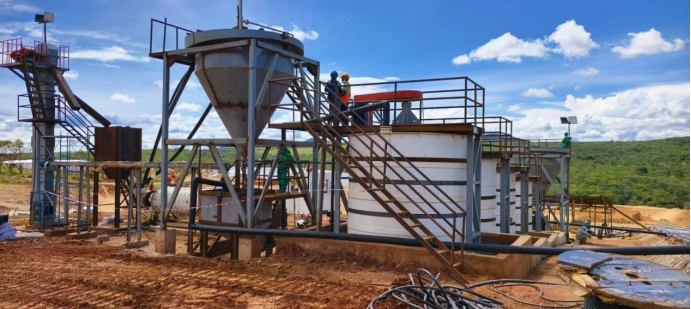
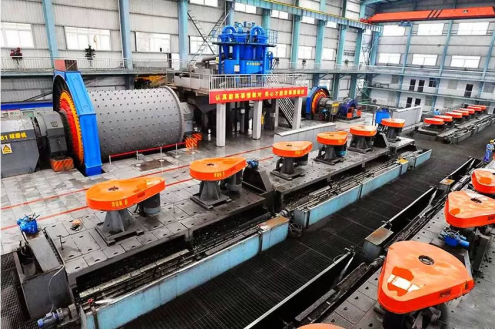
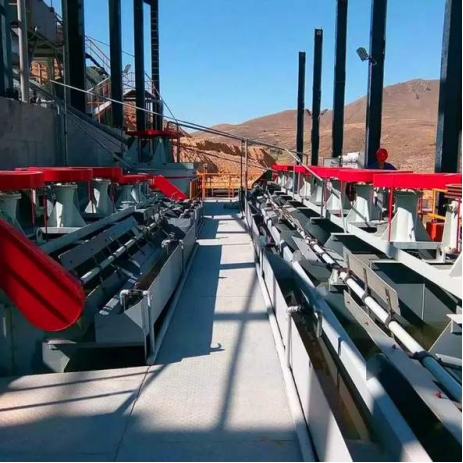
The copper beneficiation process and direct smelting handle different steps in copper production. Beneficiation improves mined raw ore. It uses crushing, grinding, classification, and separation. This way, valuable copper minerals go into a smaller concentrate stream. On the other hand, direct smelting sends a prepared feed straight into thermal treatment. It does not rely on that same upstream concentration step. For sulfide ores, the best choice depends on several factors. These include mineralogy, liberation, gangue, moisture, and local infrastructure. The required product route also matters.
What Does the Copper Beneficiation Process Do Before Smelting?
How does an ore beneficiation process separate valuable minerals?
An ore beneficiation process makes particle sizes smaller. It also separates copper-bearing minerals from waste rock. Crushing gets the feed ready. Next, grinding uncovers the mineral surfaces. Classification then manages the size of particles moving into the separation stage. After that, flotation can gather the right copper minerals into a concentrate. Meanwhile, thickening and filtration take out water. This happens before transport or downstream processing. Ultimately, the final result is a concentrated product. It is not a finished metal.
Why is liberation central to copper beneficiation?
Copper minerals need enough liberation from the host rock. This allows for selective separation. A coarse product might leave copper trapped in the waste rock. However, too much grinding can cause slimes. It also raises energy use and makes flotation harder. Representative testing finds the best practical grind size. It also checks reagent response, recovery balance, and concentrate quality. That solid evidence forms the base for a reliable copper beneficiation process.
How Does Direct Smelting Compare With Beneficiation Plant Process Design?
What happens when ore is sent toward direct smelting?
Direct smelting puts a heavy load on the thermal route. This happens because the feed holds more gangue and moisture than a normal separated concentrate. Therefore, furnace design and energy needs become very important. Slag volume, impurity actions, and feed preparation are also crucial. Direct smelting makes sense only under certain conditions. The ore chemistry, operation scale, infrastructure, and environmental rules must fully support this route.
Why can a beneficiation plant process reduce downstream burden?
A beneficiation plant process takes away some useless rock before thermal treatment. A smaller mass of concentrate is easier to manage. It simplifies storage, transport, and furnace feed handling. However, the circuit does add extra tasks. These include crushing, grinding, separation, water usage, and residue handling. Therefore, the right way to compare them is by looking at the whole-route value. You should not just look at the purchase price of one single plant section.
Which Copper Ores Favor Beneficiation Rather Than Direct Smelting?
How do sulfide and oxide minerals change the choice?
Sulfide ores are usually checked for flotation. This works well when copper minerals can achieve liberation and selective collection. Oxide and mixed ores might react differently. Their surface chemistry and leaching habits change due to oxidation. Some oxide paths use leaching, solvent extraction, and electrowinning. Meanwhile, some mixed ores need a combined study. The specific ore type must dictate the chosen route. You should not just follow a general preference for smelting or concentration.
What should testwork compare?
Testwork needs to look at many factors. It should compare liberation, flotation results, and concentrate grade. It must also review recovery rates, moisture levels, and waste rock amounts. Penalty elements and acid use matter too. Furthermore, water needs and residue actions are important. The testing should also check for differences across various samples. These results clearly show if copper beneficiation adds real value. That value must justify the extra equipment and daily operating controls.
How Do Grinding, Flotation, and Dewatering Shape the Route?
What equipment supports the front end of copper beneficiation?
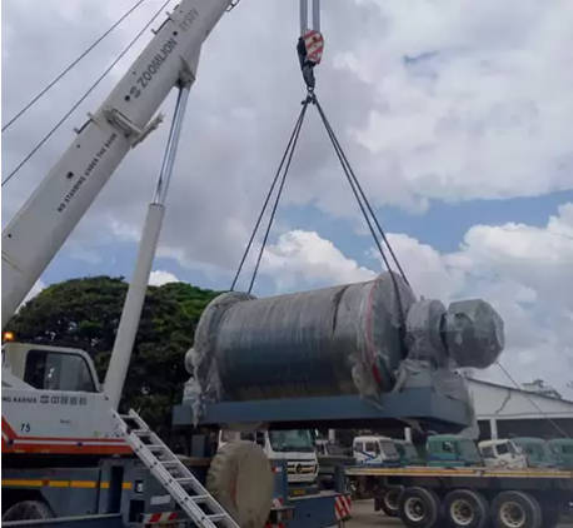
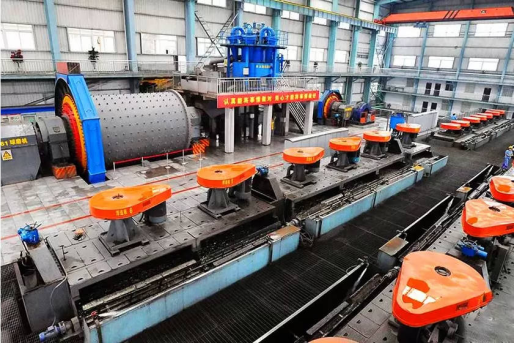
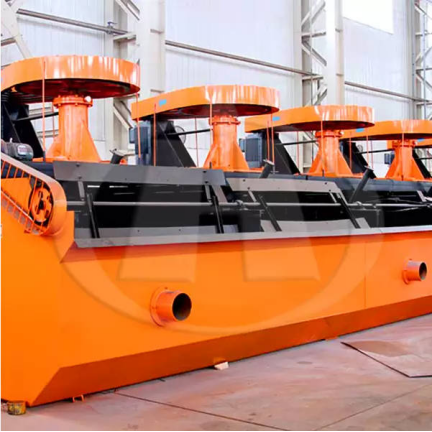
A Jaw Crusher breaks down the raw run-of-mine feed. At the same time, an Energy-Saving Ball Mill handles the grinding work for non-ferrous mineral tasks. A Spiral Classifier or a Hydrocyclone manages the classification step. These machines can send coarse pieces back to the mill. For the right ore, BF or SF/XJ Flotation Machines work well. You can test them for roughing, cleaning, scavenging, or reverse flotation duties. The final machine layout must always follow the testwork results.
Why do thickening and filtration matter before downstream treatment?
Flotation concentrate starts as a very wet slurry. A Thickener does the gravity solid-liquid separation. After that, a Disc Vacuum Filter or a Hydraulic Box Filter Press takes out more water. This creates a solid, manageable cake. Dewatering helps with transport and water recycling. It also ensures stable feed preparation. These useful functions greatly improve the copper beneficiation process but do not replace smelting or refining steps.
What Does the Zambia Copper Case Show About Route Selection?
How can Hongji Mine Machinery support a beneficiation plant process?
At Hongji Mine Machinery, we build the copper beneficiation process around solid ore facts. We also focus on the owner’s final product goals. Our Jaw Crusher, Energy-Saving Ball Mill, and Spiral Classifier work together. The BF Flotation Machine, SF/XJ Flotation Machine, Thickener, Disc Vacuum Filter, and Hydraulic Box Filter Press join them. You can evaluate all these units as one complete route. We rely on careful testing to set equipment duties and connections. We never just hand out a fixed recipe for every single deposit.
What does our Zambia project demonstrate?
Our Zambia 2,000 t/d Copper Mineral Processing Plant case looks at specific copper ore. It sets up a route with crushing, screening, grinding, and classification. It also includes flotation and concentrate handling. This case gives real project context. It is not a guaranteed grade, recovery, or capacity promise for a different mine. It shows why the choice between beneficiation and direct smelting is complex. The decision must include material handling, water balance, and tailings. Maintenance and downstream feed needs are also vital.
In actual practice, the copper beneficiation process wins out under specific conditions. It is chosen when pre-concentration, product control, and downstream handling offer high value. That value must outweigh the extra separation circuit and water-management tasks.
The same comparison must look at concentrate transport and residue handling. It should also review local utilities. Finally, it must consider the ability to tweak the circuit if the copper mineralogy shifts.
At Hongji Mine Machinery, we rely on this complete whole-route comparison. This approach keeps beneficiation equipment, dewatering, and material handling in perfect alignment with downstream feed needs. This smart approach helps the buyer. They can judge the extra separation stage based on real process needs. They do not have to rely just on the brand name of one single machine.
FAQ
Q: Is the copper beneficiation process always better than direct smelting?
A: No, it is not. Beneficiation can cut down downstream gangue. It also makes a highly manageable concentrate. However, the circuit brings extra grinding, separation, water, and residue duties. Direct smelting might perfectly fit certain ore types and infrastructure setups. Careful testwork and whole-route economics must make the final choice.
Q: What is the difference between an ore beneficiation process and smelting?
A: Beneficiation is mostly a physical or physicochemical upgrade. It separates valuable minerals from useless gangue. On the other hand, smelting is a thermal treatment. It changes a prepared feed into a middle-stage metallic or slag-bearing product. They fix completely different problems. Sometimes, plants use them together in sequence.
Q: What does a copper beneficiation plant process usually include?
A: It often includes crushing, screening, grinding, and classification. It also uses flotation or another separation method. Thickening, filtration, and concentrate handling are standard parts too. The exact flowsheet changes based on several things. These include copper mineralogy, liberation levels, test results, water supply, and the final target product.